Soon after arriving at The Cliff, I was encouraged to make arrival easier. Faster transfers. Smoother logistics. Fewer moments that asked anything of the guest. The logic was familiar. Convenience reassures. Speed signals sophistication. Ease feels modern.
In the end, we chose to be more precise.
Not because arrival should be difficult, but because it should be intentional. The filter is not how you arrive. It is that you choose to arrive with care rather than momentum.
Reaching the West End of Negril slows most people down. Whether by road or by air, arrival requires a decision. You do not stumble into this part of the island. You come here on purpose, and that choice matters.
When everything is optimized for default speed, guests arrive carrying the full weight of whatever they just left. Pace collapses. Privacy erodes. And luxury becomes performative rather than restorative.
At The Cliff, we protect the space between departure and arrival. Some guests will choose a quiet drive along the coast. Others will prefer the clarity of arriving by air. Both are valid. What matters is that the arrival is chosen, not imposed, and that it prepares rather than rushes.
We accepted early on that we would never design for mass arrival. That was a deliberate trade. In return, we gained something harder to engineer: guests who arrive already quieter, already present, already willing to slow down.
The journey becomes the first act of curation.
Some destinations understood this long before convenience became a virtue. Big Sur was never about ease. Aspen never relied on speed to define itself. Tulum changed when arrival no longer required intention. In each case, the journey once shaped the guest before the destination ever had to.
At The Cliff, we continue to protect that principle. Not by denying access, but by embracing the journey. By allowing arrival to remain personal, paced, and considered.
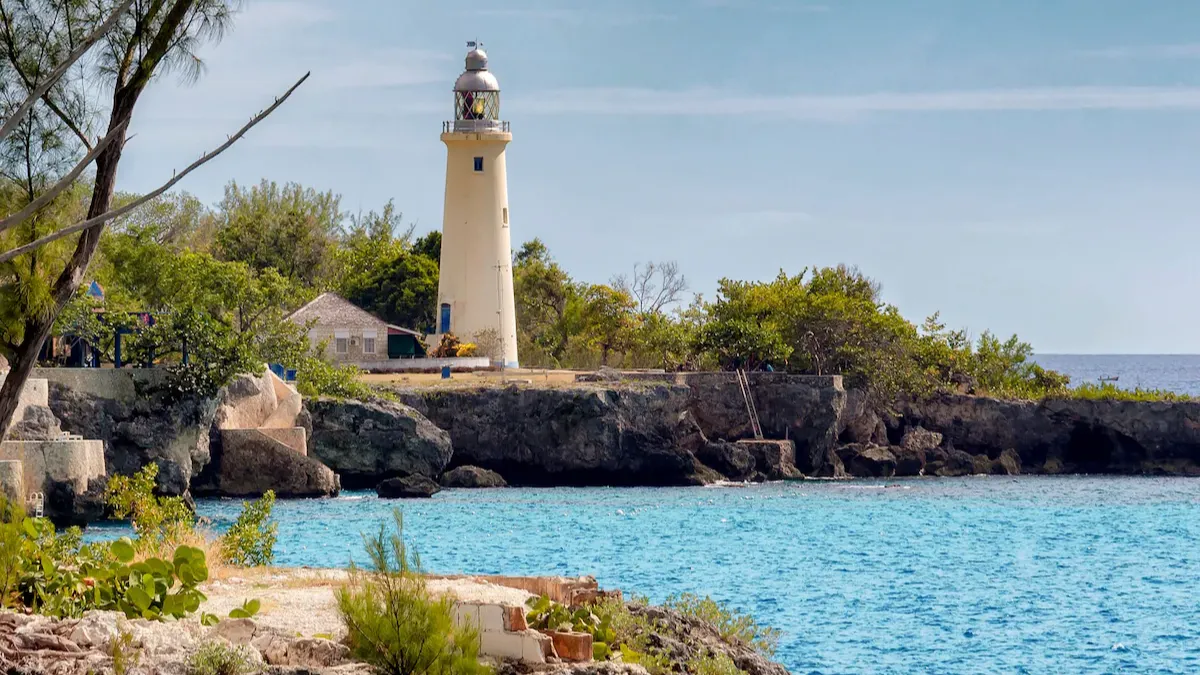
By the time guests reach the edge of the cliff, the work has already been done. Below, waves move across the rocks in a steady cadence. Along the reef, shape, color, warmth, and light reveal themselves slowly. The experience feels immersive, not because it is orchestrated, but because there is space bracketed by the time it takes to arrive and depart.
This is what the journey protects.
In leadership, the instinct to optimize is constant. Remove friction. Increase throughput. Compress time. Sometimes that is progress. Sometimes it asks too much of people too quickly and leaves no space for transition. Not everything meaningful improves when the road is shortened.
We chose to protect the journey. Not as an obstacle, but as an invitation. An invitation to follow the longer, winding way in, to let the travel do its work, and to allow the noise of daily life to fall away gradually. The value is not in how quickly you arrive, but in how much you have already released by the time you do.